
Wilderness Medicine Field Course
Where Medicine and Adventure Meet


Field Courses The Learning Experience |
||
|
Doctors and Medical Personnel (CME): The course is approved for American Medical Association (AMA) Continuing Medical Education (CME) credit(s) and American College of Emergency Physicians (ACEP). REQUIRED DISCLOSURE: Dr. Smith does not have any real or apparent conflicts to disclose. Accreditation Statement: Montgomery General Hospital is accredited by MedChi/ The Maryland State Medical Society to provide continuing medical education for physicians. Designation Statement: Montgomery General Hospital designates this educational activity for a maximum of 30 AMA PRA Category 1 credit(s)TM. Physicians should only claim credit commensurate with the extent of their participation in the activity. Support for this lecture is provided by: In-Kind contributions were made by LifeStar Response. Expedition Guides and Adventure Racers: Will receive Wilderness First Responder often needed to continue as a guide or be hired for a guide position Wilderness First Aid: Students, Coaches, Athletes, Teachers, athletic directors, student athletes, parents, scout leaders, scouts, eagle scouts, Sports affiliated: will receive Wilderness First Aid and the knowledge and confidence to assess and handle an outdoor medical emergency. LECTURES Include: • Altitude illness
• Frostbite
• High altitude pulmonary edema
• High altitude cerebral edema
• Acute mountain sickness
• Barotrauma
• Dive medicine descent
• Dive medicine ascent
• Cold tissue injuries
• Wilderness survival shelters
• Navigation stars, sun, compass, gps
• Wilderness menu and toxicology
• White water rescue
• Swift water survival
• Currents and strainers
• Snakes
• Spiders
• Scorpions
• Ticks
• Other insects
• Lyme disease
• Marine animal attacks
• Wilderness medical kit
• Strategies for the medical provider |
|
WMFC Nutrition By Rebecca Scritchfield, Elite Nutrition www.elitenutritiondc.comGet ready for a vigorous weekend. You'll feel the best if you fuel right. Here are some tips for healthy wilderness nutrition. Hydrate, hydrate, hydrate You'll be sweating even if the sun is not that strong. Make sure you drink plenty of fluids the days before the weekend. Check your urine for volume and color - clear to lemonade yellow every day. Sports drinks have electrolytes to help maintain fluid balance and carbs to fuel your muscles. Plan to have a sports beverage and water all of the days of WMFC. Have sips of fluids every 15-20 minutes when you can during the weekend and take a longer break when Ellen directs you to drink. Eat, eat, eat You need energy to keep up with the rigors of the weekend. The best way to stay up on energy is to eat healthy, high-performance foods. Don't skip any meals. In general, your meals should be high in carbohydrate (body's gasoline), moderate in protein and low in fat. Fat and fiber can be difficult to digest and cause GI upset. (Yes, this is the one time when refined carbs are ideal so enjoy it!) Dinners of pasta with meatballs or thick crust pizza with veggie toppings will satisfy you and get you ready for the long days. Eat a high carb breakfast before you head out each day. An egg and bagel sandwich with some orange juice will do the trick nicely. A couple bowls of cereal and fruit (drink the milk) will also fuel you well. Lunches and snacks can be tricky, but they don't have to be. Have a simple fueling plan so you can focus on all the fun you'll be having. Bring more food than you think you will need. The standard PB&J works well with your favorite whole fruit (apples, bananas, and oranges pack nicely) and high salt snacks like cheeze-its or pretzels. Bring some trail mix too, but don't go overboard. The high fat content can give you GI upset if you eat too much. Have a handful as a quick snack. Sports bars can be convenient. I suggest bringing the endurance gels, sport beans, or gummies out there. Eat these either within an hour before or during your mountain bike, orienteering, or adventure race segments because your heart rate will be highest and you will benefit from the quick carbs. Fresh fruit is also a good choice at this time. The power bars and clif bars are great to add to meals to increase calories and they make a great snack. Don't get sidelined by inadequate fueling. This is not a weekend to skimp on food or "diet". Your body will scream back at you with muscle cramps or fatigue if you don't give it the calories (energy) it needs to do what your asking it it do - kick butt in the wilderness! Have fun! |
||

Orginally, the course is directed at Medical Students; however, non-medical participants, teachers, coaches, laypersons, parents, high school students are not at much of a disadvantage. The survival activities are well suited to both. The other large group that takes the course are adventure racers who need the skills plus the medical. I have taught students as young as 11 and a student age 71 both did well and enjoyed the course. If you are not in "shape" we will not ditch you in the woods or lake!!
Ideally, the participant should be able to handle a woodsy brisk hike, ride a bike, and be able to swim. (Life jackets will be worn and are mandatory in the water portions.) If not, the student may watch any portion he/she are not comfortable with. . No prior experience is needed with the rock climbing rescue. There is a good deal of stopping and explaining as we go along so the less fit can catch their breath
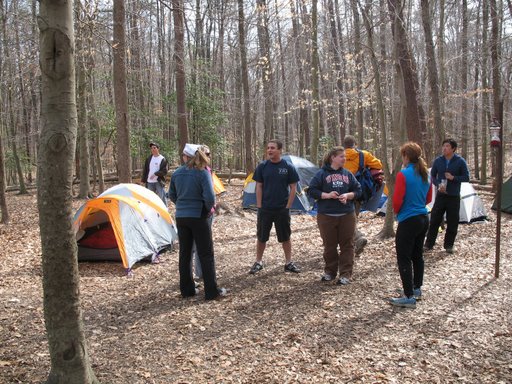
Outdoor Day 1 (Friday) is spent in the woods of Damascus, MD along the Patuxent River. 6-7 miles of hiking thru thick forest and stream crossings, working on survival skills and medical skills in this environment. Skills learn include: fire making, water purification, navigation, orienteering, deep water jumping, shelter building, survival strategy, hydration and nutrition, hypo and hyperthermia, medical concerns, medical kit, appropriate woods meds, clothes and gear, safety, self defense, canines and equines, pediatrics, orthopedics all disciplines of outdoor medicine, litter making, evacuation planning. This year’s Friday afternoon lectures will be in the Station 13 Damascus Fire Department lounge and all station personnel invited. Dinner from local restaurant food take out while we listen to lecture.
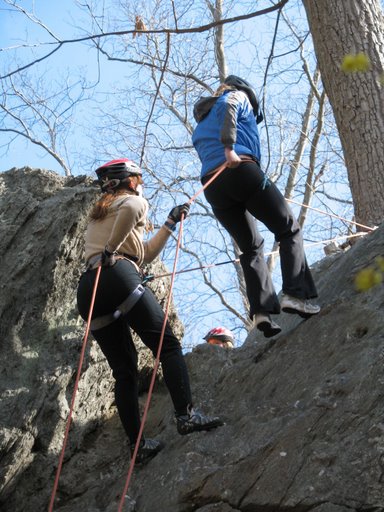
Outdoor Day 2 (Saturday) is climbing (depnds on course),orienteering and mountain biking. Skills learn include ropes training and high angle rescue rappel, belay, top rope, 3:1 pulley, self evacuation, aid to fallen climber, rope and gear teaching, ascender use, prusik use, quick draws, solo top roping and safety, and knots on rope and web, setting anchors. The “O“ course involves 3-4 miles of decision making and finding checkpoints that contain challenges. We also go to the mountain bike course to learn technique: mountain bike handling, jumping, climbing, downhill, falls, maintenance, use as race medic or doc, and adventure racing and patient trauma scenarios. Dinner is typically at the campfire site – Little Bennett Park.
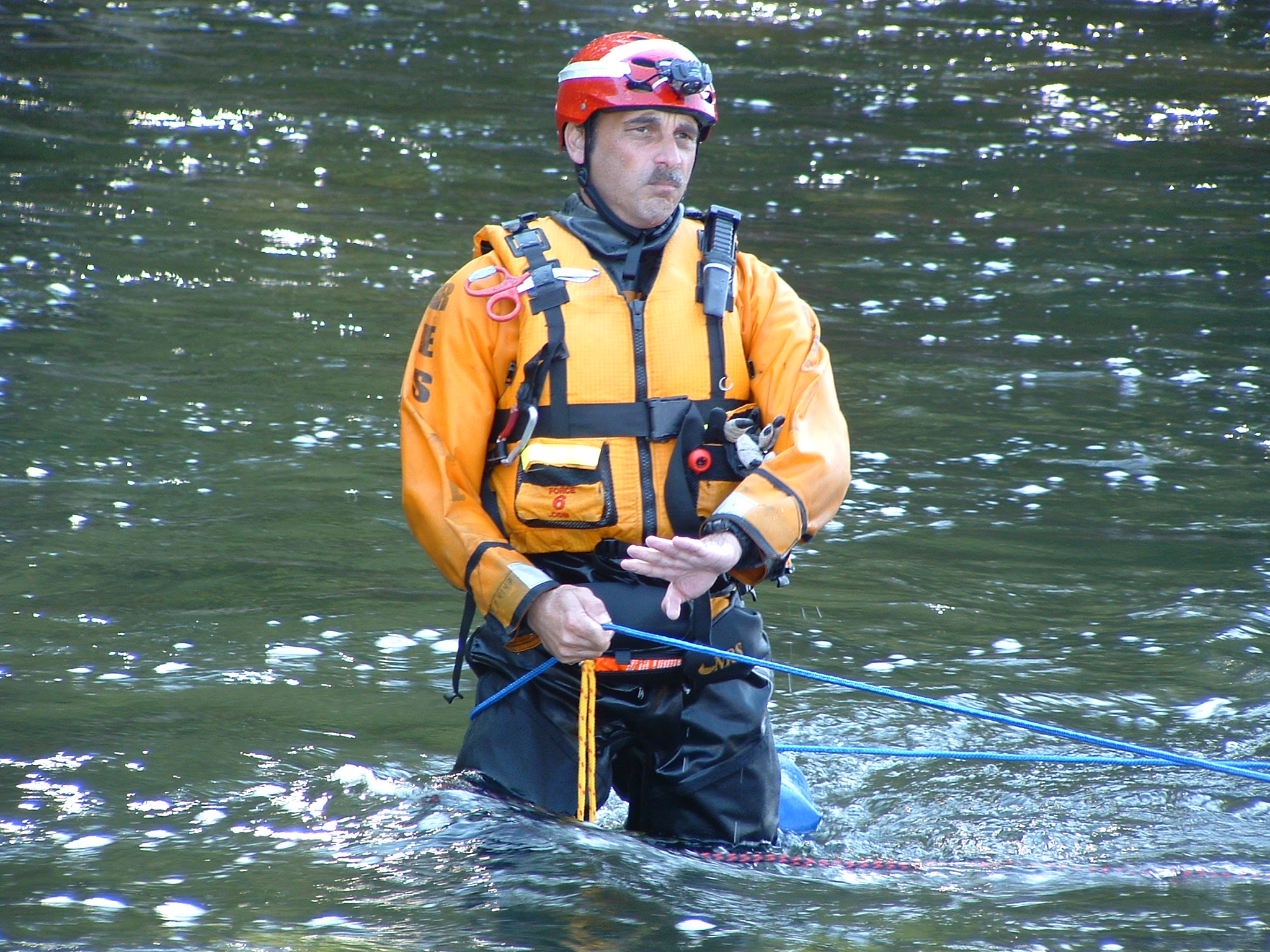
Outdoor Day 3 (Sunday) is typically, swift water rescue in the Potomac River including: swimmers position, strainer approach, throw bag handling and self evacuation, foot entrapment scenarios, boat rescue, kayaking, forward and sweep and back paddling, Z drag set up, and re entry to overturned boat.
For the large rescue challenge test the students put it all together: There will be a large team rescue to perform including mapping UTM coordinates, tracking and navigating, orienteering to find a victim whether by boat, bike or on foot. They have to determine the medical needs of the victim, warm, dry and hydrate the victim, address injuries--splinting or communications, evacuate the victim and go on to the next victim. There will typically be 4- 6 checkpoints (victims). The teams to rescue victims will have a mixture of med students and racers and volunteers so the student will have a chance to learn from others as well as rely on their own newly acquired skills. There will be a post test and a brief after event discussion to wrap up. Dinner either as a group or on your own..
REGISTRATION
Note to possible participants: this is a highlystrenuous course in a deep wilderness environment. It may not be suitable for all entrants. The instructor reserves the right to decide on entry and participation of applicants/students.
***Please Click The Appropriate Link Below To Register For 3 Day WFMC Course***
WMFC July 7-9th, 2017 Gaithersburg, MD
Other Class Schedules are Pending